
TL;DR
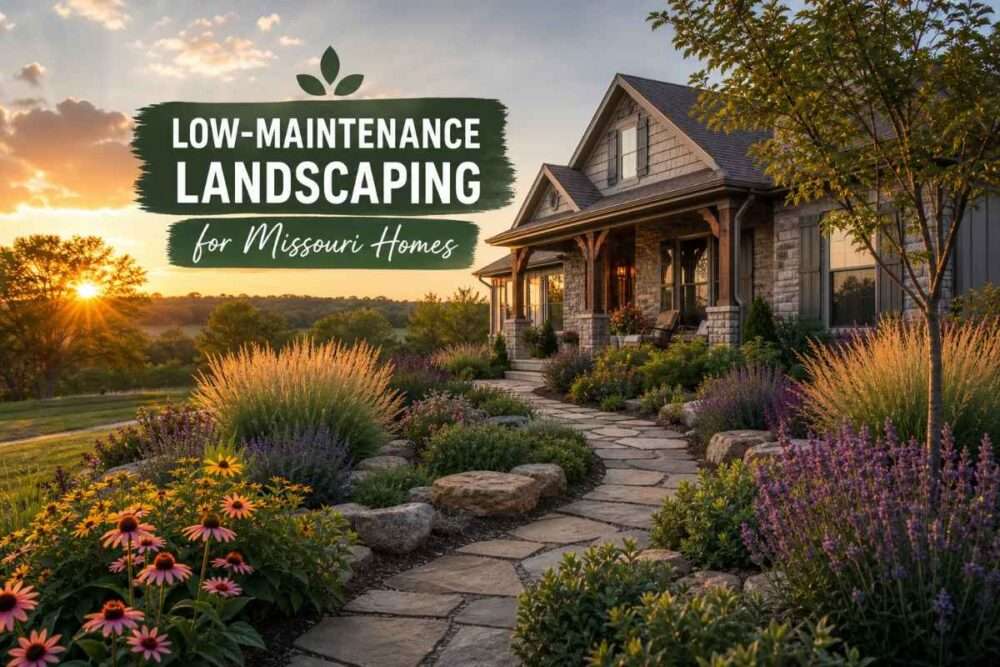
Missouri’s freeze-thaw winters and hot, humid summers destroy traditional mulch and grass landscapes. The easiest low-maintenance landscaping solution is stone ground cover paired with drought-tolerant native plants.
Stone doesn’t rot, suppresses weeds, drains well, and holds up through every season with almost no work after year one. Skip annual mulch replacement, replanting, and constant mowing.
See the actual stone in person at Southwest Stone Supply in Osage Beach before you choose materials — colors and scale look very different in real life.
If you’ve ever asked yourself what is the easiest low-maintenance landscaping for a Missouri home, the short answer is stone ground cover paired with drought-tolerant Missouri native plants. Missouri homeowners know the maintenance cycle well. You spread fresh mulch in April, and by July it’s either rotted down to nothing or so full of weeds it barely looks better than bare dirt. The grass gets mowed every five days through the humid heat of August, then winter arrives and the freeze-thaw swings crack edging, heave roots, and rearrange anything that wasn’t built to handle zone 6 winters. Traditional landscaping in Missouri isn’t just time-consuming; it’s a battle you fight every season and never quite win.
The homeowners who finally break out of that cycle share one habit: they stop treating stone as an afterthought and start using it as the foundation of the entire design. Stone suppresses weeds without decomposing, drains well through Missouri’s summer downpours, and holds its look through February just as well as June. Pair the right stone with a handful of drought-tolerant Missouri natives and maintenance drops dramatically after the first year of establishment. Before you commit to any specific material, it’s worth stopping by Southwest Stone Supply in central Missouri to see decorative landscape gravel, river rock, and flagstone side by side in person, because photos genuinely cannot capture how scale and color read in a real yard setting.
Here’s what this article covers: why Missouri’s climate chews through traditional landscaping so fast, which stone options hold up best, which native plants pair well with stone, how to make the switch from grass or mulch, and a seasonal routine that takes almost no time once you’re set up.
What Is the Easiest Low-Maintenance Landscaping for a Missouri Home? Start with the Climate Problem
What freeze-thaw winters do to wood mulch and plant beds
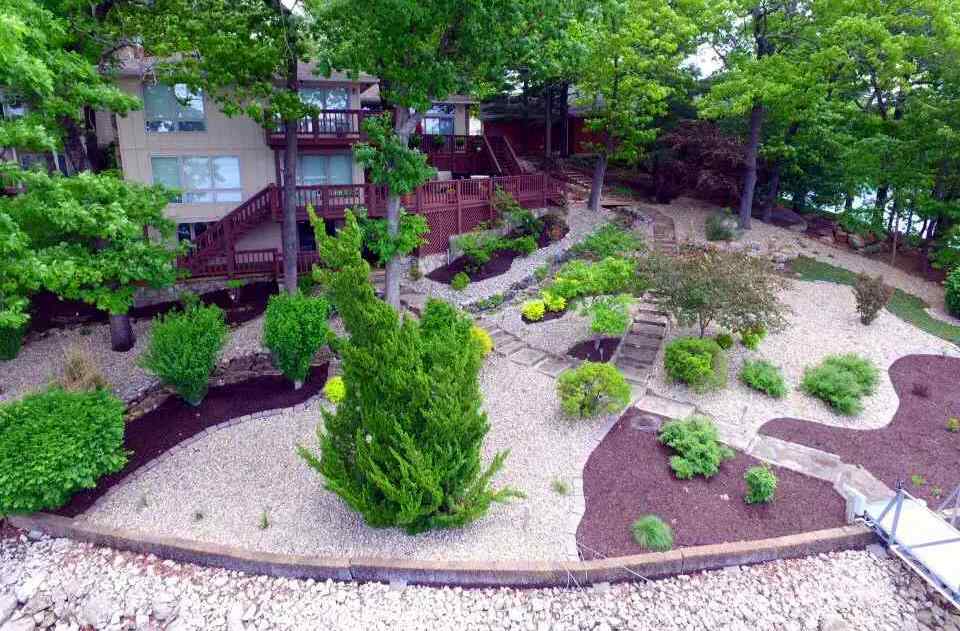
Missouri spans USDA hardiness zones 5b through 7b, with most of the state sitting in 6a and 6b. That range means temperature swings are wide enough to cause real damage to organic materials. Wood mulch breaks down faster in these conditions, and repeated freeze-thaw cycles can heave roots and create bare-soil gaps where weeds move right in.
Many homeowners refresh mulch annually or every one to two years depending on mulch type and site conditions, which adds up quickly in both time and money. Stone doesn’t decompose, so that replacement cycle disappears entirely. For a quick reference to local zones, check the interactive USDA plant hardiness zones map for Missouri.
Summer heat and drought stress on high-maintenance plantings
Missouri’s hot, humid summers are hard on non-native plants and turf grass that need frequent watering, fertilizing, and replanting just to survive. Grass that looks acceptable in May becomes a brown, stressed mess by late July unless you’re running irrigation consistently.
Stone, once installed at the right depth with proper edging, needs very little ongoing input to keep doing its job through heat, drought, or heavy rain. Some maintenance remains, occasional weed removal from wind-blown seeds, topping off after heavy rains, but it’s a fraction of what turf or annual beds demand.
Why the "plant once, water all summer" cycle keeps repeating
Most Missouri homeowners fall into the same pattern: buy annuals in spring, water them all summer, watch them die in the first frost, and repeat the whole thing the following year. The fix isn’t finding better annuals. It’s redesigning the bed so stone handles the ground cover and tough perennials handle the color. Once that shift happens, the cycle stops.
Stone Ground Cover: The Easiest Low-Maintenance Landscaping Choice for Missouri Homes
Decorative gravel for beds, borders, and open areas
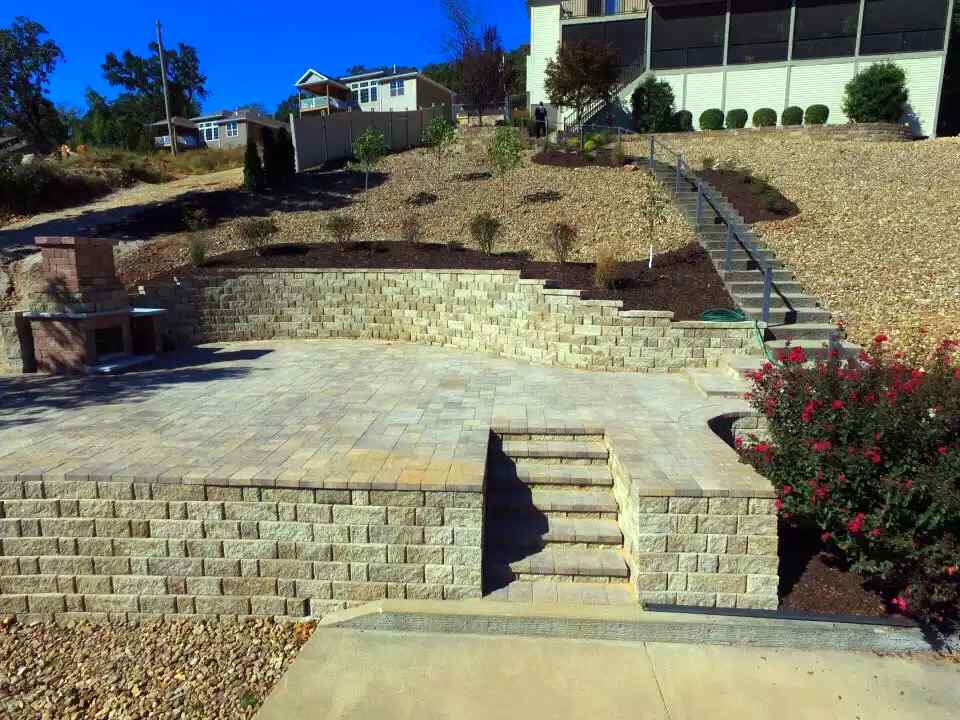
Pea gravel and crushed limestone are the workhorses of low-maintenance stone landscaping. Pea gravel is small, rounded, and comfortable underfoot, making it a natural fit for paths, garden beds, and borders. Crushed limestone has angular edges that lock together under foot traffic, so it’s the better choice for driveways, stable walkways, and base layers. Both drain well in the clay-heavy soils common across central Missouri, and both hold up through seasonal temperature swings far better than organic mulch.
Color tones and texture vary enough between products that what you see on a website can look surprisingly different in a real yard setting. For additional installation and depth guidance, see these tips to get the best natural stone landscaping.
River rock for natural-looking ground cover and drainage channels
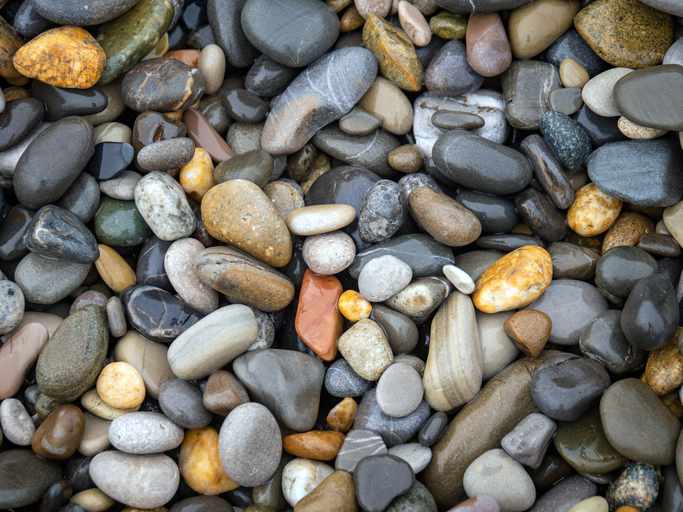
River rock is larger and smoother than gravel, with a rounded profile that reads as natural and intentional in a landscape. It performs best in areas where you need good drainage but not much foot traffic: along downspouts, in dry creek beds, and under trees where grass refuses to grow. Missouri river rock typically runs $95 to $225 per ton for materials. Installed costs range from $115 to $300 per ton depending on project complexity.
Durability through Missouri’s freeze-thaw winters is excellent as long as the base is properly compacted and water drains away rather than pooling under the stone layer, subgrade preparation is where freeze-thaw damage actually starts, not in the stone itself.
Flagstone for paths, patios, and defined transitions
Flagstone adds structure to a yard without requiring mortar or complex preparation. It’s one of the most forgiving hardscape materials for Missouri climates because individual stones can shift with frost heave and be reset without redoing an entire surface. The key to freeze-thaw durability is drainage at the base: a well-drained, compacted subgrade tolerates seasonal movement far better than saturated soil.
Thickness matters too, and picking the right flagstone for a path versus a patio is one of those details that’s much easier to work out when you’re standing next to the actual stone. For more on how regional climate affects freeze-thaw cycles and material performance, see this summary of climate research from the University of Missouri.

Drought-Tolerant Plants That Pair Well with Stone in Missouri
Best native picks for full-sun stone beds
Purple coneflower, blue false indigo, butterfly weed, and black-eyed Susan are the core four for sunny stone beds in Missouri. All four are zone 6 natives well-suited to the state’s heat and dry stretches. Once established, typically after the first full growing season, they require minimal supplemental watering, generally a deep soak about once a week during prolonged dry spells rather than frequent shallow watering. They come back every spring without replanting and provide seed heads through fall and winter that attract birds and add visual interest when the rest of the yard goes dormant.
Group plants by water need so a single soaker hose or drip line on a timer can handle an entire bed without over- or underwatering different species. For further plant recommendations tailored to dry sunny sites, consult the Missouri Botanical Garden’s guide to dry-sun perennials.
Low-care options for part-shade and shaded areas
Shaded areas are where most low-maintenance landscaping plans fall apart, because grass won’t grow and annual flowers just look sad. Spicebush, Christmas fern, wild stonecrop, and wild geranium all handle dry shade far better than turf or annual color. These deer-resistant native plants work especially well where stone ground cover meets a canopy edge or a foundation wall.
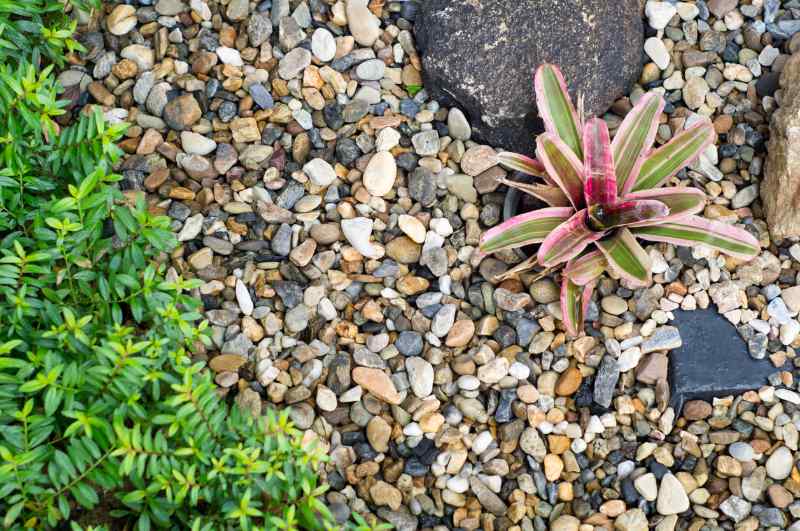
Wild stonecrop, a native succulent groundcover, is particularly suited to gravel and rock mulch settings because it’s adapted to lean, welldrained, dry soils, exactly the conditions stone beds create. For a broader look at native plant selection and landscape use, the University of Missouri Extension’s landscaping guidance is a helpful resource.
How to space plantings to keep weeds out naturally
Weeds win in gaps. Dense planting closes the openings that weeds exploit, which means less time weeding after year one. As a practical rule of thumb for native perennials in stone-mulched beds, spacing plants closer than their full mature spread, around two-thirds of that distance, encourages clumps to knit together within a couple of growing seasons.
The exact timing varies by species and conditions, so check each plant’s mature size when planning. You’ll see more weeds in year one as plants establish, but by year three a properly planted stone bed with dense perennial cover is nearly self-maintaining
How to Replace Grass or Mulch Beds with Stone Ground Cover
What you need before you start: edging, fabric, and grade
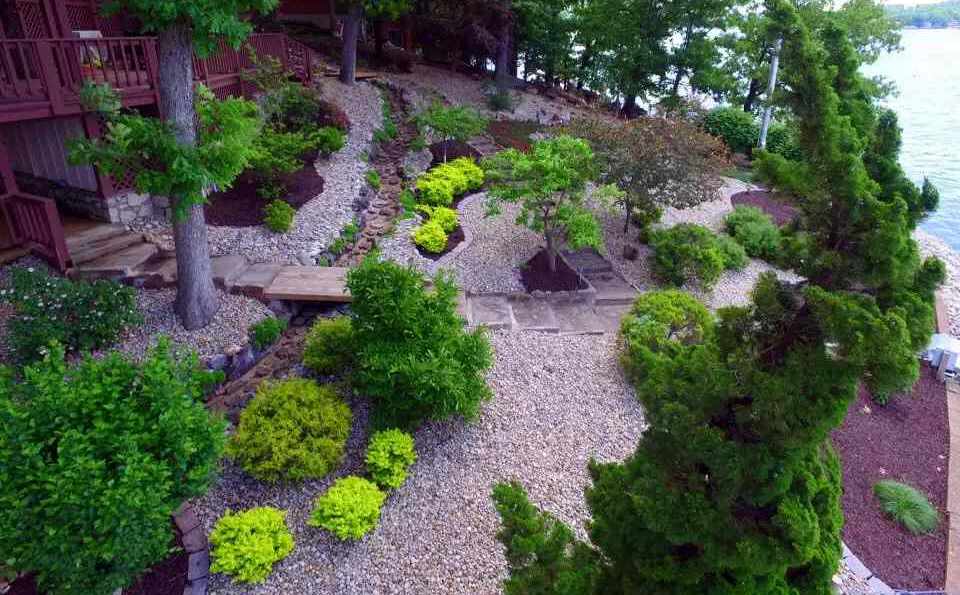
Three basics need to be in place before any stone goes down. Metal or stone edging keeps stone from migrating into the lawn. Good quality landscape fabric on a prepared, weed-free soil surface blocks weeds from pushing up from below, though it works best under stone that doesn’t get disturbed regularly. Basic grading ensures water drains away from your home’s foundation and doesn’t pool under the rock layer. None of this requires professional equipment; it’s straightforward prep work that separates a stone bed that looks great at year three from one that needs redoing.
How to install stone correctly to avoid the most common mistakes
The two most common mistakes are using too little stone and skipping edging entirely. Under-depth stone lets weeds push through from below and makes the fabric visible at the surface. For pea gravel and decorative gravel, 2 to 3 inches of depth is the practical minimum. River rock needs 3 to 4 inches to stay in place and fully cover the fabric. Skipping edging is one of the most common reasons stone beds need to be completely redone within two years: the stone migrates, the fabric lifts, and the whole thing looks worse than bare dirt.
What to expect in year one versus year three
Honest expectations matter here. Some weeds will appear at edges or in debris that collects on top of the stone in year one, particularly wind-blown seeds that don’t need soil contact to germinate. Pull them early when they’re small and the roots haven’t anchored. By year three, a properly installed stone bed with established native plants requires almost nothing beyond occasional topping-off after heavy rain events wash stone toward the edges. DIY material costs run about $1 to $4 per square foot for common decorative stone, depending on stone type and depth.
A Bare-Minimum Seasonal Plan for a Stone-Based Missouri Yard
Spring tasks that take less than an hour
Walk the beds in late February or early March and check edging for any frost heave. Reset any flagstones that shifted over winter. Top off stone in spots where it settled or washed toward the lawn edge. If you use organic mulch inside planting pockets to support younger plants, refresh it now with 2 to 4 inches of coarse wood chips or bark, keeping it pulled back from plant crowns. Divide summer and fall-blooming perennials like coneflower if clumps are getting crowded, do it in March before new growth pushes up.
Summer and fall check-ins
Summer maintenance for a well-built stone landscape is mostly reactive. Pull the handful of weeds that appear at edges before they go to seed. Trim perennials that flop onto stone paths. That’s usually the full list for a planted-out bed. In fall, you have two options: cut back spent foliage for a clean look, or leave seed heads standing through winter for birds and visual structure. Dormant pruning for shrubs runs from mid-November through mid-March, so any woody plants that need shaping can wait until that window.
What you can skip entirely
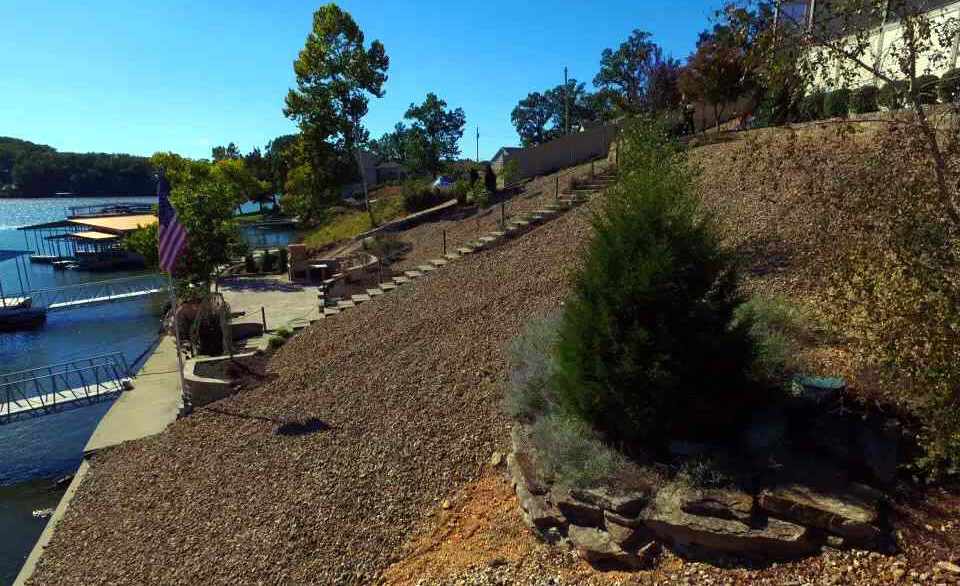
No seasonal replanting of annuals. No fertilizing routine unless a soil test turns up a specific deficiency. Established Missouri natives typically need only occasional deep watering during dry stretches, not a full irrigation schedule. And while a light stone top-off after heavy rains is worth doing, you’re no longer locked into annual mulch replacement. This is the real payoff of low-mow, low-water landscaping built on stone: after the first year of establishment, the landscape runs mostly on its own, and the hours you used to spend maintaining it are simply gone.
Why Seeing Stone Materials in Person Matters Before You Commit
Color, texture, and scale look very different in real life
River rock photographed on a website often looks like small, uniform pebbles. In person, the color variation is much wider and the stones cover ground faster per bag than a flat photo suggests. The same gap between photo and reality applies to flagstone: thickness varies, edge profiles vary, and picking the right piece for a path versus a patio is genuinely easier when you’re holding it. Gravel also reads differently under natural light than it does on a product page, especially when you’re trying to match an existing patio or home exterior.
How to compare options without wasting a trip
Southwest Stone Supply carries a wide range of stone options in central Missouri, which means you can compare gravel types, river rock sizes, and flagstone in a single visit rather than driving to multiple suppliers or guessing from photos. Bring a rough sketch of your bed dimensions and the staff can help you estimate material quantities accurately so you’re not over-ordering or making a second trip. For project checklists and additional practical ideas, see these helpful tips for landscaping with natural stone products.
The Easiest Low-Maintenance Landscaping for Missouri Homes: The Bottom Line
The answer to what is the easiest low-maintenance landscaping for a Missouri home is straightforward: stop fighting the climate and start designing around it. Stone handles the freeze-thaw cycles, the summer heat, and the weed pressure that make organic mulch and turf grass so relentless to maintain, as long as drainage and base prep are done right. Pair the right stone with a few drought-tolerant Missouri natives and what you get is a yard that looks intentional, holds up through every season, and asks almost nothing of you after year one.
The best starting point is seeing the materials in person. Stop by Southwest Stone Supply in central Missouri to compare stone types side by side, get a realistic sense of scale and color, and leave with a clear material plan instead of a guess. The difference between a stone bed that looks great at year three and one that needs redoing is almost always in the prep and material choices made on day one. For inspiration on why rock and stone can transform a landscape, read why rock and stone are key to a jawdropping landscape.
Pick your stone, choose your natives, and let Missouri’s climate work for you instead of against you.

Frequently Asked Questions About Low-Maintenance Landscaping in Missouri
What is the easiest low-maintenance landscaping for Missouri homes?
Stone ground cover paired with drought-tolerant Missouri native plants. Stone doesn’t decompose like mulch, suppresses weeds, drains well through heavy rains, and holds up through freeze-thaw winters with very little ongoing work after the first year.
Why does traditional mulch and grass landscaping struggle so much in Missouri?
Missouri’s wide temperature swings (USDA zones 5b–7b) cause wood mulch to break down quickly and create gaps where weeds move in. Hot, humid summers stress turf grass and annuals, requiring constant watering, fertilizing, and replanting. Stone eliminates the annual replacement cycle and dramatically reduces maintenance.
What types of stone work best for low-maintenance yards in Missouri?
Pea gravel and crushed limestone are excellent for beds and borders. River rock works well in drainage areas and dry creek beds. Flagstone is ideal for paths and patios because individual stones can shift with frost heave and be reset without major repairs.
Is river rock good for drainage in Missouri?
Yes. River rock excels in areas where you need good drainage but not heavy foot traffic, such as along downspouts or under trees. It performs best when installed over a properly compacted, well-drained base so water doesn’t pool underneath.
Which native plants pair well with stone ground cover in Missouri?
For full sun, purple coneflower, butterfly weed, black-eyed Susan, and blue false indigo are reliable choices. In part shade or shade, wild stonecrop, Christmas fern, wild geranium, and spicebush perform well. These natives are adapted to Missouri’s climate and need little supplemental water once established.
How deep should I install stone for best results?
Pea gravel and decorative gravel should be 2–3 inches deep. River rock typically needs 3–4 inches to stay in place and fully cover landscape fabric. Proper depth and edging are critical — too little stone allows weeds to push through and makes the fabric visible over time.
Do I need landscape fabric under stone?
Landscape fabric helps block weeds from below when installed on properly prepared, weed-free soil. It works best under stone that won’t be disturbed regularly. Good base preparation and edging are equally important for long-term success.
How much maintenance does a stone and native plant landscape need after the first year?
Very little. Occasional weeding at the edges, topping off stone after heavy rains, and minimal watering during prolonged dry spells are usually all that’s required. You can skip annual mulch replacement, replanting annuals, and heavy fertilizing routines.
Can flagstone handle Missouri’s freeze-thaw cycles?
Yes, when installed correctly. Flagstone is forgiving because individual pieces can shift slightly with frost heave and be reset. The key is a well-drained, compacted subgrade so water doesn’t pool underneath the stone.
Ready to stop fighting Missouri’s weather and start enjoying a yard that practically takes care of itself?
The best way to choose the right stone for your project is to see it in person. Stop by Southwest Stone Supply in Osage Beach to compare gravel, river rock, and flagstone side by side, get expert advice on what works best in our climate, and leave with a clear plan instead of a guess.
We proudly serve homeowners and contractors across the Lake of the Ozarks, Columbia, Springfield, Jefferson City, Lebanon, and all of Mid-Missouri — and we ship premium natural stone nationwide to the lower 48 states.
Call (573) 488-4762, visit us at 6386 Osage Beach Pkwy, Osage Beach, MO, or reach out via our easy contact form today.

Want to see more landscape & home improvement tips? You may find these posts helpful!
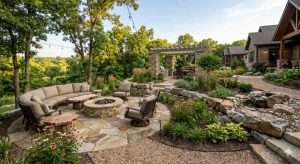
5 Landscaping Trends for LOZ and Columbia, MO Backyards in 2026
TL;DR 2026 Columbia, MO backyard landscaping trends are all about natural stone: killer outdoor living rooms, climate-tough fire pits, smart retaining walls,
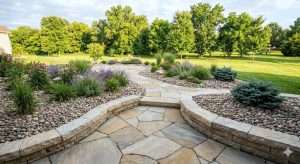
The Ultimate Guide to Landscaping Rock in Columbia, MO: Expert Tips for Mid-Missouri Yards
Why Rock is the Secret to a Low-Maintenance Mid-Missouri Landscape When it comes to “landscaping rock in Columbia, MO,” homeowners aren’t just
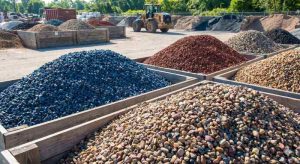
Colored Landscaping Stones Available at Southwest Stone Supply
Enhance Your Outdoor Spaces with Natural Stone Color Options If you’re searching for colored landscaping stones in Osage Beach, MO, Southwest Stone